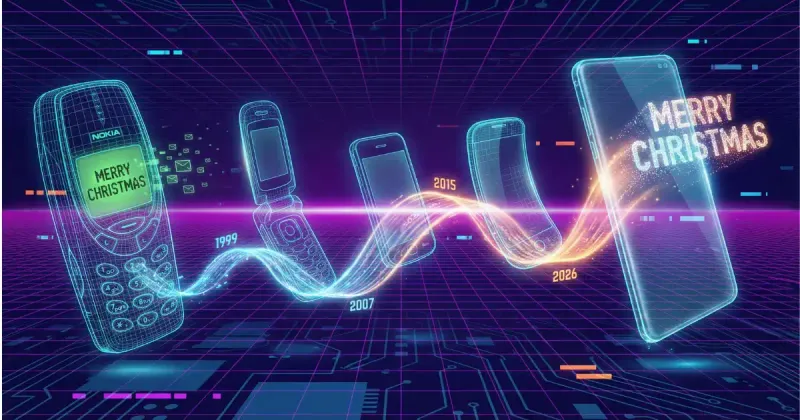
On December 3, 1992, Neil Papworth, a 22-year-old software engineer, sent the world’s first SMS message. The text simply read: “Merry Christmas.” He sent it from a computer to Richard Jarvis’s Orbitel 901 mobile phone on the Vodafone network.
That simple holiday greeting launched a communication revolution that would fundamentally change how humans interact.
The Complete SMS Timeline
1984: The Concept is Born
┌─────────────────────────────────────────────────────────┐
│  1984 - SMS CONCEPT PROPOSED                            │
│  ───────────────────────────────────────────────────── │
│  Friedhelm Hillebrand and Bernard Ghillebaert          │
│  propose SMS as part of the GSM standard.              │
│                                                         │
│  Key decision: 160 character limit                      │
│  (Based on average postcard/telex message length)       │
└─────────────────────────────────────────────────────────┘
Key figures:
- Friedhelm Hillebrand (Germany) - Chairman of GSM committee
- Bernard Ghillebaert (France) - Technical contributor
Hillebrand famously determined the 160-character limit by typing random sentences and postcards on his typewriter, finding that most messages fit within 160 characters.
1985: Technical Specification
| Milestone | Detail |
|---|---|
| Standard | GSM 03.40 |
| Character limit | 160 (GSM-7 encoding) |
| Protocol | SS7 signaling |
| Purpose | Network notifications (originally) |
SMS was initially designed for network operators to send service messages to users—not for person-to-person communication.
1992: The First SMS
┌─────────────────────────────────────────────────────────┐
│  DECEMBER 3, 1992 - FIRST SMS SENT                      │
│  ───────────────────────────────────────────────────── │
│                                                         │
│  From: Neil Papworth (via computer)                     │
│  To: Richard Jarvis (Orbitel 901 phone)                 │
│  Network: Vodafone UK                                   │
│  Message: "Merry Christmas"                             │
│                                                         │
│  Note: Mobile phones couldn't send SMS yet—             │
│  only receive. Papworth used a PC to send it.           │
└─────────────────────────────────────────────────────────┘
Historical context:
- Phones could only receive SMS in 1992
- The first phone capable of sending SMS came in 1993 (Nokia 2010)
- The message was sent during a Vodafone Christmas party
1993: Two-Way SMS Arrives
| Event | Significance |
|---|---|
| Nokia 2010 released | First phone that could both send AND receive SMS |
| GSM networks expand | More carriers adopt SMS capability |
| Inter-carrier SMS | Different networks couldn’t message each other yet |
1994-1998: The Nokia Era Begins
┌─────────────────────────────────────────────────────────┐
│  THE NOKIA REVOLUTION                                    │
│  ───────────────────────────────────────────────────── │
│                                                         │
│  1994: Nokia 2110 - First commercial SMS-capable phone  │
│  1997: Nokia 6110 - Introduced predictive text (T9)     │
│  1998: First inter-carrier SMS (UK)                     │
│                                                         │
│  SMS usage begins exponential growth                    │
└─────────────────────────────────────────────────────────┘
T9 Predictive Text (1997) was revolutionary:
- Reduced keystrokes by 50%+
- Made texting practical on 12-key phones
- Invented by Tegic Communications, licensed to Nokia
1999: SMS Goes Mainstream
| Statistic | Value |
|---|---|
| Global SMS sent (1999) | ~1 billion/month |
| Average user | 0.4 messages/month |
| Cost per SMS | $0.10-0.25 |
The term “texting” entered common vocabulary.
2000: The Text Message Explosion
┌─────────────────────────────────────────────────────────┐
│  2000 - SMS BECOMES A PHENOMENON                         │
│  ───────────────────────────────────────────────────── │
│                                                         │
│  Monthly SMS volume: 17 billion globally                │
│  Key driver: Youth adoption (teenagers)                 │
│                                                         │
│  Cultural milestones:                                   │
│  • "Text speak" emerges (LOL, BRB, TTYL)               │
│  • First SMS-based voting (TV shows)                    │
│  • SMS used in political campaigns                      │
└─────────────────────────────────────────────────────────┘
2002: MMS Introduced
| Feature | SMS | MMS |
|---|---|---|
| Text | 160 chars | 1,600 chars |
| Images | No | Yes |
| Video | No | Yes |
| Audio | No | Yes |
MMS (Multimedia Messaging Service) extended SMS with media capabilities but never achieved the same ubiquity.
2003-2007: Peak SMS Era
Timeline of SMS Dominance:

2003 ─── American Idol uses SMS voting (13 million votes)
  │
2004 ─── Global SMS: 500 billion messages/year
  │
2005 ─── SMS generates $80 billion in carrier revenue
  │
2006 ─── "Text" named Word of the Year (UK)
  │
2007 ─── iPhone launches (changes everything)
Peak statistics (2007):
- 2.4 trillion SMS sent globally
- $100+ billion in carrier revenue
- Average teen: 2,000+ texts/month
2007: The iPhone Disruption
┌─────────────────────────────────────────────────────────┐
│  JUNE 29, 2007 - iPHONE RELEASED                        │
│  ───────────────────────────────────────────────────── │
│                                                         │
│  The iPhone introduced:                                 │
│  • Full QWERTY keyboard                                 │
│  • App Store ecosystem (2008)                           │
│  • iMessage (2011) - bypassing carrier SMS              │
│                                                         │
│  Beginning of the end for SMS dominance                 │
└─────────────────────────────────────────────────────────┘
2008-2011: Rise of Internet Messaging
| Year | Event |
|---|---|
| 2008 | RCS first proposed by GSMA |
| 2009 | WhatsApp founded |
| 2010 | iMessage announced |
| 2011 | iMessage launched with iOS 5 |
| 2011 | Facebook Messenger launched |
2012: The Turning Point
┌─────────────────────────────────────────────────────────┐
│  2012 - INTERNET MESSAGING OVERTAKES SMS                │
│  ───────────────────────────────────────────────────── │
│                                                         │
│  For the first time:                                    │
│  Internet messages (iMessage, WhatsApp, etc.)           │
│  exceeded SMS volume globally                           │
│                                                         │
│  SMS: 7.8 trillion messages                             │
│  OTT: 8.6 trillion messages                             │
└─────────────────────────────────────────────────────────┘
2013-2019: SMS Declines, Then Stabilizes
| Year | Global SMS Volume | Trend |
|---|---|---|
| 2012 | 7.8 trillion | Peak |
| 2015 | 6.5 trillion | -17% |
| 2018 | 6.0 trillion | Stabilizing |
| 2019 | 6.1 trillion | Slight growth |
Why SMS stabilized:
- Business messaging (A2P) grew rapidly
- Two-factor authentication (OTP codes)
- Universal reach (no app required)
- Regulatory/transactional use cases
2019-2023: RCS Attempts Revival
┌─────────────────────────────────────────────────────────┐
│  RCS - THE MODERN SMS SUCCESSOR                         │
│  ───────────────────────────────────────────────────── │
│                                                         │
│  2019: Google Messages adopts RCS as default            │
│  2020: Major US carriers support RCS                    │
│  2022: RCS reaches 500 million active users             │
│  2023: Apple announces RCS support coming               │
│                                                         │
│  Features: HD media, read receipts, typing indicators   │
└─────────────────────────────────────────────────────────┘
Learn more about SMS vs MMS vs RCS.
2024: Apple Adopts RCS
| Before iOS 18 | After iOS 18 |
|---|---|
| iPhone-Android: SMS only | iPhone-Android: RCS |
| Green bubbles = basic | Green bubbles = enhanced |
| No read receipts cross-platform | Read receipts work |
| Compressed images | High-quality images |
Apple’s RCS adoption in iOS 18 was the most significant SMS-related news since iMessage launched in 2011.
2025-2026: The Current Landscape
┌─────────────────────────────────────────────────────────┐
│  SMS IN 2026                                            │
│  ───────────────────────────────────────────────────── │
│                                                         │
│  Consumer SMS: Declining (replaced by iMessage, RCS)    │
│  Business SMS (A2P): Growing 5% annually                │
│  Authentication (OTP): Still dominant method            │
│                                                         │
│  SMS isn't dying—it's evolving into a                   │
│  business and security infrastructure                   │
└─────────────────────────────────────────────────────────┘
Key Figures in SMS History
| Person | Contribution | Year |
|---|---|---|
| Friedhelm Hillebrand | Conceived SMS, set 160-char limit | 1984 |
| Bernard Ghillebaert | Co-developed SMS standard | 1984 |
| Neil Papworth | Sent first SMS | 1992 |
| Matti Makkonen | ”Father of SMS” (Nokia, promoted adoption) | 1990s |
| Richard Jarvis | Received first SMS | 1992 |
SMS by the Numbers: Then and Now
| Metric | 1999 | 2007 (Peak) | 2026 |
|---|---|---|---|
| Global SMS/year | 12 billion | 2.4 trillion | ~2 trillion |
| Cost per SMS | $0.10-0.25 | $0.05-0.20 | $0.01-0.05 |
| Primary use | Personal | Personal | Business |
| Competing services | None | Few | Many |
The Legacy of SMS
SMS fundamentally changed human communication:
Cultural Impact
- Created “text speak” (LOL, BRB, OMG)
- Enabled new forms of relationships (dating via text)
- Changed journalism (breaking news via SMS)
- Democratized political organizing
Business Impact
- Enabled mobile marketing as an industry
- Created the A2P messaging market ($70+ billion)
- Made two-factor authentication mainstream
- Established real-time customer communication expectations
Technical Legacy
- Proved that asynchronous messaging works
- Influenced design of all subsequent messaging apps
- Established the 160-character constraint that inspired Twitter
- Created the foundation for mobile notification systems
What’s Next for SMS?
| Trend | Prediction |
|---|---|
| Personal messaging | Continues declining (RCS, iMessage, WhatsApp) |
| Business messaging | Continues growing (A2P expansion) |
| Authentication | Slowly shifting to app-based 2FA, but SMS remains |
| Emerging markets | SMS remains important where data is expensive |
SMS won’t disappear—it will continue as critical infrastructure for business communications, security, and reaching users who don’t have smartphones or data plans.
Timeline Summary
1984 ───── SMS concept proposed
    │
1992 ───── First SMS sent ("Merry Christmas")
    │
1993 ───── First phone that can SEND SMS (Nokia 2010)
    │
1999 ───── SMS goes mainstream
    │
2000 ───── 17 billion SMS/month globally
    │
2007 ───── Peak SMS era (iPhone launches)
    │
2011 ───── iMessage threatens SMS dominance
    │
2012 ───── Internet messaging surpasses SMS
    │
2019 ───── RCS adoption accelerates
    │
2024 ───── Apple adopts RCS
    │
2026 ───── SMS evolves into business infrastructure
Related Articles
WhatIsSMS.com
SMS Technology Guide